Top 7 Modern-Day Pilgrimages for Spiritual Seekers
Top 7 Modern-Day Pilgrimages for Spiritual Seekers
In a world where travel often focuses on relaxation or social media snapshots, a new kind of traveler is emerging — the spiritual seeker. These are people who crave more than postcard views. They’re looking for personal awakening, peace, and purpose through the act of journeying itself. Whether rooted in ancient tradition or reimagined for modern life, these seven pilgrimages offer transformation for the mind, body, and soul.
1. Camino de Santiago, Spain
Few pilgrimages are as iconic as the Camino de Santiago — the “Way of St. James.” Stretching across northern Spain (with routes that start as far away as France or Portugal), this thousand-year-old path ends at the Santiago de Compostela Cathedral, believed to hold the remains of St. James the Apostle.
What makes the Camino timeless is its simplicity: walking, reflecting, and connecting with fellow travelers. Pilgrims often describe the journey as a meditation in motion.
Best for: Those seeking clarity, solitude, or renewal.
Travel tip: Aim for spring or early fall to avoid summer crowds.
Reflection: Every step on the Camino teaches patience and humility. Many pilgrims find that what they discover at the end isn’t a cathedral — it’s a clearer sense of self.
2. Mount Kailash, Tibet
Considered sacred in four major religions — Hinduism, Buddhism, Jainism, and Bon — Mount Kailash represents the axis of the universe. Circumambulating its base (a 32-mile trek called the kora) is said to cleanse a lifetime of sins.
This journey is less about reaching a summit and more about surrendering to something vast and mystical.
Best for: Deep spiritual purification and reverence for the sacred.
Travel tip: Travel requires special permits; plan several months in advance and prepare for high altitudes.
Reflection: Walking in the shadow of Kailash is an act of devotion. The thin air strips away distraction, leaving only silence, breath, and gratitude.
3. Shikoku Pilgrimage, Japan
Japan’s Shikoku Pilgrimage connects 88 Buddhist temples over nearly 750 miles, tracing the footsteps of the monk Kobo Daishi. Pilgrims — called henro — traditionally walk the entire route, though modern travelers often combine walking with public transport.
It’s a journey of mindfulness and gratitude, surrounded by serene countryside, temples, and coastal views.
Best for: Spiritual discipline and meditative walking.
Travel tip: Consider breaking the route into smaller sections if you can’t do the full circuit.
Reflection: The rhythm of walking and bowing before each temple invites stillness. The body moves forward while the spirit grows inward.
4. The Inca Trail to Machu Picchu, Peru
While many hike the Inca Trail for adventure and stunning views, few realize it was once a spiritual route for Incan pilgrims heading to Machu Picchu, their sacred citadel.
The trail’s combination of history, altitude, and ancient energy makes it a journey of transformation. The physical challenge mirrors the inner pilgrimage many experience along the way.
Best for: Those seeking transformation through endurance and nature.
Travel tip: Book months ahead — access is limited to protect the trail.
Reflection: Every incline is a metaphor for resilience. When the fog lifts and Machu Picchu appears, many feel as though they’ve climbed not just a mountain, but their own limits.
5. The Kumano Kodo, Japan
A sister pilgrimage to the Camino de Santiago, the Kumano Kodo weaves through Japan’s Kii Mountains, linking sacred Shinto shrines and Buddhist temples.
Travelers pass through misty forests, waterfalls, and villages that have welcomed pilgrims for over 1,000 years. The path represents harmony between nature and spirit — a central idea in Japanese spirituality.
Best for: Balance, reflection, and connecting with nature’s spiritual energy.
Travel tip: Stay in local guesthouses (ryokan) for an authentic experience.
Reflection: In the Kumano Kodo, you don’t just pass through the forest — the forest passes through you.
6. Sedona Vortexes, USA
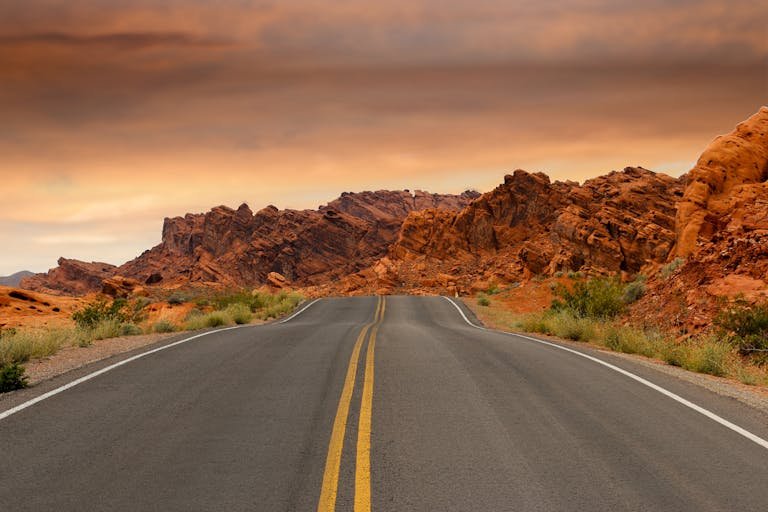
Sedona, Arizona isn’t a traditional pilgrimage — but for modern spiritual seekers, it’s one of the most magnetic places on Earth. Its red rock formations are believed to radiate powerful vortex energy that enhances meditation, creativity, and healing.
Many visitors describe profound emotional releases and heightened awareness after visiting Sedona’s vortex sites like Cathedral Rock or Bell Rock.
Best for: Modern seekers, healers, and those drawn to energy work.
Travel tip: Visit during sunrise or sunset when the rocks glow and energy feels strongest.
Reflection: Sedona reminds us that energy is not something you chase — it’s something you tune into.
7. Varanasi, India
On the banks of the Ganges River, Varanasi is one of the world’s oldest continuously inhabited cities and a spiritual capital for millions. Pilgrims come to bathe in the sacred river, attend sunrise prayers, and witness the powerful cremation rituals along the ghats — symbolic reminders of life, death, and rebirth.
To walk through Varanasi is to experience the full circle of existence — raw, beautiful, and transformative.
Best for: Seekers of enlightenment, humility, and perspective on life and death.
Travel tip: Bring an open heart; Varanasi overwhelms the senses but rewards the soul.
Reflection: The Ganges teaches impermanence — what flows away today nourishes what blooms tomorrow.
Planning Your Own Modern Pilgrimage
If one of these journeys calls to you, start small. Compare distances, climates, and accessibility. Some, like Sedona or Kumano Kodo, are beginner-friendly; others like Kailash require preparation. Set an intention — what do you want to release, learn, or discover? Train your body and spirit through hiking, meditation, or journaling before you go. Research local customs and spiritual etiquette. Understanding sacred traditions is part of the journey itself.
Quick guide:
If you crave structure and simplicity, try Camino de Santiago.
If you want nature and spiritual silence, try Kumano Kodo or Mount Kailash.
If you prefer energy and accessibility, try Sedona, Arizona.
Frequently Asked Questions
Do I need to be religious to go on a pilgrimage?
Not at all. Modern pilgrimages are about intentional travel — you can be spiritual, curious, or simply seeking clarity.
How long should a pilgrimage last?
Anywhere from a weekend (Sedona) to a month (Camino de Santiago). Focus on depth, not distance.
Are solo pilgrimages safe?
Yes, with preparation. Stick to well-marked routes, register with local authorities when necessary, and trust your intuition.
How can I stay mindful while traveling?
Unplug regularly, keep a small journal, and end each day reflecting on gratitude or insight.
What if I can’t travel internationally?
Create a local pilgrimage. Visit nearby nature spots or spiritual centers over several weekends — intention matters more than mileage.
Shop the Essentials for Spiritual Journeys
Osprey Daylite Plus Backpack – lightweight, compact, and ideal for long walking days.
Moleskine Travel Journal – capture reflections and lessons learned on your journey.
Travel Yoga Mat by Gaiam – perfect for meditation and grounding anywhere.
Universal Travel Adapter – compact universal adapter for over 200 countries.
The Art of Pilgrimage by Phil Cousineau – a timeless guide to meaningful travel.
Modern-Day Pilgrimages
Pilgrimages are no longer confined to religious devotion — they’re journeys of awakening. Each of these paths calls travelers to step outside comfort zones, face silence, and rediscover purpose. Whether you’re meditating on a mountaintop in Tibet, walking through ancient temples in Japan, or breathing in Sedona’s desert air, the real destination isn’t on the map — it’s within you.